
Coconuts are a gift of nature – delicious, hydrating, and packed with nutrients. Whether you’re cracking open a green coconut for its refreshing water or scooping out thick white flesh from a mature brown one, you expect a burst of tropical freshness. But sometimes, that experience can turn disappointing (and even unsafe) if your coconut has gone bad.
A spoiled coconut doesn’t just taste off – it can harbor bacteria, mold, or yeast from natural fermentation. Eating or drinking from one can cause stomach discomfort, nausea, or even mild food poisoning.
That’s why learning how to tell if a coconut is bad is essential for anyone who loves coconuts – whether you buy them fresh at a market, order them at events, or stock them for business use. Luckily, coconuts give clear signs of freshness (or spoilage). Once you know what to look, smell, and listen for, you’ll always be able to pick the perfect one.
Understanding the Types of Coconuts and Their Shelf Life
Before we dive into the warning signs, it’s helpful to understand how different coconuts behave. The freshness indicators vary slightly between young (green) coconuts and mature (brown) coconuts.
Young (Green) Coconuts
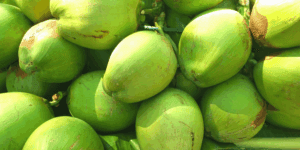
Young coconuts are harvested early and are filled with natural coconut water – light, slightly sweet, and incredibly hydrating. They also have soft, jelly-like meat that can be scooped out with a spoon.
Shelf Life:
- At room temperature: About 7–10 days
- Refrigerated: Up to 2–3 weeks
- Opened: Should be consumed within 24–48 hours
Because they have a softer shell and higher water content, green coconuts spoil faster than mature ones. If stored too long, the water can start fermenting, giving it a tangy or sour flavor.
Pro Tip: Always store green coconuts in a cool place or refrigerate them if you won’t use them right away.
Mature (Brown) Coconuts
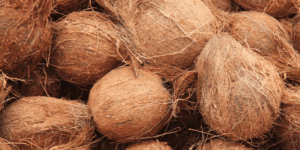
Mature coconuts, also called dry coconuts, have a hard, fibrous shell and contain less water but thicker, firmer white meat. They’re used for making coconut milk, oil, and shredded coconut.
Shelf Life:
- Whole: Around 2–3 months in a cool, dry area
- Refrigerated: Up to 4 months
- Opened: Consume within 3–5 days; refrigerate the meat in an airtight container
Because mature coconuts are enclosed in a thick, woody shell, they seem indestructible – but even they can go bad from the inside due to trapped moisture or cracks that let bacteria in.
The 5 Sure Signs a Coconut Has Gone Bad
Let’s break down the most accurate ways to detect spoilage. These checks work for both green and brown coconuts.
1. The Shell Test: Cracks, Mold, and Soft Spots
Start with what you can see. Examine the coconut from all angles:
- A fresh coconut has a hard, unbroken shell.
- A bad coconut often has visible cracks, soft spots, or mold, especially near the “eyes” (the three dark spots on one end).
If you notice:
- Dark discoloration or greenish-black mold,
- Soft patches when you press the shell, or
- Leaking coconut water, it’s time to toss it. Leaking or soft shells suggest the inside has been exposed to air and bacteria.
Extra Tip: The “eyes” of a coconut are the most vulnerable entry points for spoilage. If any of the three eyes appear moist, darkened, or moldy, do not consume it.
2. The Weight and Sound Test: Trust Your Ears
This is a traditional trick used by coconut vendors around the world – and it still works perfectly.
How to do it:
- Hold the coconut close to your ear and shake it gently.
- Listen for the sound of water sloshing inside.
What you’ll find:
- A fresh coconut should feel heavy for its size and make a clear sloshing sound – a sign that it’s full of water and sealed tight.
- A bad coconut often feels light (as water has evaporated or leaked) and may sound dull or silent.
If you hear no movement at all, that coconut is likely dried out or spoiled from within.
Pro Tip: Always pick the heaviest coconut with a strong water sound – that’s nature’s freshness indicator.
3. The Smell Test: Let Your Nose Be the Judge
Your sense of smell is one of the most reliable tools to detect spoilage.
- A fresh coconut smells clean, mildly sweet, and tropical – even before cracking it open.
- A bad coconut gives off a sour, musty, or fermented smell – similar to spoiled milk or sour yogurt.
Once you open the coconut, sniff the water and meat directly.
If either smells anything but fresh and pleasant, discard it immediately.
Why smell matters: Coconut water and meat contain natural sugars that can ferment when exposed to air. This fermentation produces acids and alcohol, which cause the sour odor – a clear sign the coconut is no longer safe to drink or eat.
4. The Flesh Test: Check Color, Texture, and Appearance
Crack open the coconut and look at the flesh closely. This is often the most telling test of all.
Fresh coconut meat:
- Pure white in color
- Firm but slightly springy in texture
- Mild, sweet aroma
Spoiled coconut meat:
- Yellowish or gray discoloration
- Soft, slimy, or watery texture
- Visible mold or dark spots
If you spot any mold or sliminess, don’t risk it – dispose of it safely.
Even if it’s only on one side, mold spores spread quickly and invisibly through food.
Tip: Always use a clean knife or spoon to scoop coconut meat to prevent contamination.
5. The Taste Test (Your Final Check)
If everything else – the look, smell, and texture – seems fine, take a small taste.
- Fresh coconut tastes lightly sweet, nutty, and clean.
- Spoiled coconut tastes sour, tangy, bitter, or even slightly fizzy (a sign of fermentation).
Once it tastes off, spit it out immediately. Even mild spoilage can upset your stomach.
Remember: you should only do a taste test if all other checks pass. Never taste a coconut that smells bad or looks moldy.
How to Store Coconuts Properly to Keep Them Fresh Longer
Coconuts are sensitive to heat, humidity, and air. Storing them the right way can help you keep that tropical goodness fresh longer.
Whole Coconuts
- At room temperature: Store in a dry, ventilated area away from sunlight and heat. Avoid keeping them near fruit like bananas, which emit ethylene gas that speeds up ripening.
- In the fridge: Store in the crisper drawer or wrapped loosely in paper to maintain natural moisture.
Opened Coconuts
Once a coconut is cracked, air exposure begins the countdown to spoilage.
- Coconut water: Store in an airtight glass bottle and refrigerate immediately. Drink within 1–2 days.
- Coconut meat: Keep in an airtight container or zip bag and refrigerate. Lasts up to 5 days.
Freezing Coconut Products
If you want to extend shelf life:
- Coconut meat: Freeze in small pieces or grated form for up to 3 months.
- Coconut water: Freeze in ice cube trays and use in smoothies or chilled drinks.
Avoid repeated thawing and refreezing – that’s when texture and flavor start to degrade.
Checking Packaged Coconut Products
Even pre-packaged coconut-based products have a shelf life. Here’s what to check before using:
Coconut Water (Bottled or Carton)
- Ensure the packaging isn’t swollen or leaking.
- Avoid any that appear cloudy or smell fermented.
- Once opened, refrigerate and consume within 48 hours.
Coconut Milk or Cream
- Check for curdling, sour odor, or yellowish tint – these are spoilage signs.
- Store in the refrigerator after opening and use within 3–4 days.
- For canned coconut milk, always transfer leftovers into a clean airtight container.
Coconut Oil
- Should be clear (when melted) or solid white (when chilled).
- If it smells rancid, stale, or sour, it’s gone bad.
- Keep tightly sealed in a cool, dark place away from heat.
Common Myths About Coconut Spoilage
Let’s bust a few myths that often cause confusion:
Myth 1: “Coconuts Don’t Go Bad Because of Their Hard Shell.”
Fact:
The shell may protect the inside for a while, but coconuts are still organic and prone to natural decay. Temperature and humidity accelerate the process.
Myth 2: “If the Outside Looks Fine, It Must Be Fresh.”
Fact:
Spoilage starts from the inside. A coconut may appear perfect but still contain sour or fermented water. Always perform the shake and smell tests.
Myth 3: “A Sour Taste Just Means It’s Fermented – It’s Still Drinkable.”
Fact:
Fermented coconut water may contain yeast and bacteria that can upset your stomach. A slight tang is acceptable only in intentionally fermented products (like coconut vinegar), not fresh coconuts.
Myth 4: “You Can Store Opened Coconuts on the Counter.”
Fact:
Once opened, coconuts must be refrigerated. Leaving them out, especially in warm climates, speeds up bacterial growth.
How to Choose Fresh Coconuts at the Market
Whether you’re shopping at a tropical fruit stand, supermarket, or event vendor, use these simple steps to pick the freshest coconuts:
- Examine the shell: Avoid any with cracks, discoloration, or mold.
- Feel the weight: The heavier, the better – it means more water inside.
- Shake it: Listen for a strong sloshing sound.
- Check the eyes: They should be dry, clean, and not moldy.
- For green coconuts: Look for bright green husks without bruises.
- For brown coconuts: Look for smooth shells without soft spots.
Pro Tip: If you’re unsure, ask your vendor when the coconuts were harvested. Freshly picked ones always taste sweeter.
The Science Behind Coconut Spoilage
Ever wondered why coconuts spoil in the first place? Here’s a quick breakdown:
- Moisture and sugar content in coconut water and flesh make it an ideal medium for bacterial and fungal growth once exposed.
- Cracks or soft spots on the shell allow air and microorganisms to enter, speeding up spoilage.
- Temperature and humidity affect shelf life – higher temperatures encourage faster fermentation.
- Over time, the enzymes inside the coconut begin to break down the fats and sugars, producing off-flavors and odors.
In short, even though coconuts are naturally protected, they’re still perishable once the natural barrier is compromised.
Creative Ways to Use a Fresh Coconut
Once you’ve confirmed your coconut is fresh, here are a few fun ways to enjoy it:
- Drink the coconut water chilled or mixed with lime for a tropical refresher.
- Use the meat for smoothies, desserts, or savory dishes like curries.
- Toast shredded coconut for baking.
- Freeze coconut cubes for cocktails or beachside drinks.
And of course, if you’re in Miami, Houston, Orlando, or Tampa – Coconut Stock serves fresh, chilled coconuts ready to enjoy straight from the source!
What to Do with a Spoiled Coconut (Eco-Friendly Tips)
Even if a coconut has gone bad, parts of it can sometimes be repurposed:
- Shell: Clean, dry, and use as a planter, candle holder, or decor.
- Husk fibers: Can be composted or used as natural mulch.
- Avoid using spoiled meat or water for any purpose – they can contain harmful bacteria.
Conclusion – Keep Your Coconut Experience Fresh and Safe
Knowing how to tell if a coconut is bad ensures you always enjoy the best flavor, nutrition, and experience. The secret lies in simple checks – look for cracks or mold, listen for sloshing, smell for freshness, and trust your senses.
Fresh coconuts should:
- Feel heavy for their size
- Contain clear, sweet water
- Have pure white, firm flesh
- Smell tropical and pleasant
If anything looks, smells, or tastes off, it’s better to let it go.
At Coconut Stock, we believe freshness is everything. That’s why every coconut we serve – whether at your favorite event or from our kiosks – is carefully inspected, stored, and delivered at its peak. Because when it comes to coconuts, you deserve nothing less than pure island perfection. 🌴✨
FAQ’s on How to Tell if a Coconut is Bad
1: How can you tell if a coconut is bad before opening it?
You can check a coconut’s freshness before opening it by looking for cracks, mold, or leaks on the shell. Pick it up and shake it – a fresh coconut should feel heavy and have a clear sloshing sound inside. If it feels light, makes no sound, or smells sour near the eyes, it’s likely gone bad.
2: What does spoiled coconut water taste like?
Spoiled coconut water tastes sour, tangy, or even slightly bitter. It may also have a fizzy texture or unusual odor. Fresh coconut water, on the other hand, tastes clean, mildly sweet, and refreshing. If it smells off or tastes fermented, do not drink it.
3: How long does a coconut last after opening?
Once opened, coconut water should be consumed within 1–2 days and kept refrigerated in a sealed container. Coconut meat lasts around 3–5 days when stored in the fridge. If you want to preserve it longer, freeze the meat for up to 3 months.
4: Can you eat a coconut that smells sour but looks fine?
No – if a coconut smells sour, it has already started fermenting or decomposing, even if the meat still looks white. Smell is one of the first and most reliable indicators of spoilage. It’s safest to discard it rather than risk getting sick.
5: What’s the best way to store coconuts to keep them fresh?
Keep whole coconuts in a cool, dry area away from sunlight. Once opened, store coconut water and meat in airtight containers in the refrigerator. For longer storage, freeze coconut meat in small portions – it maintains flavor and texture for up to 3 months.

