
How Many Types of Coconuts Are There in the World?
- admin
- September 18, 2026
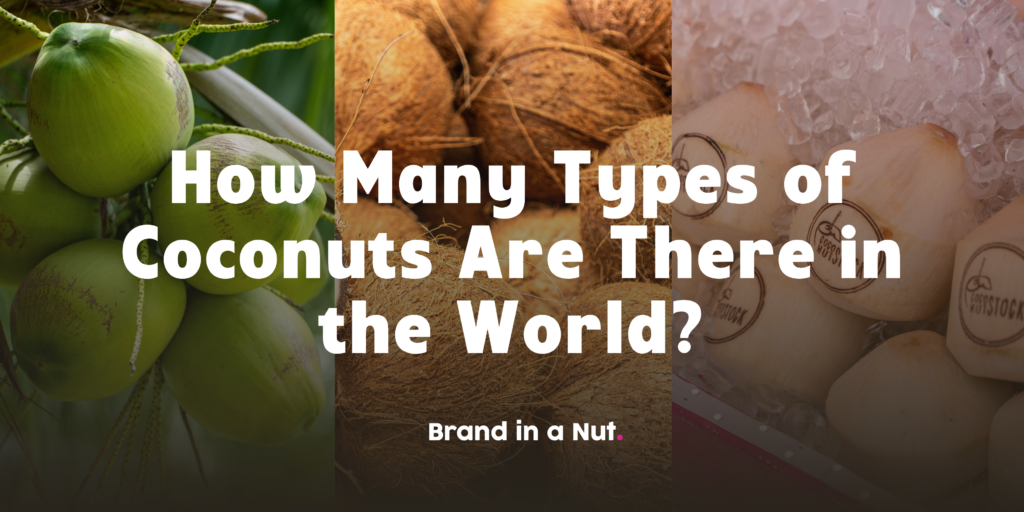
The quick answer: there are three broad coconut categories, Tall, Dwarf, and Hybrid, and within those, growers around the world recognize somewhere between 80 and over 100 named varieties depending on the region and classification system used. So when people ask how many types of coconuts are there, the honest answer is not a single number, but a spread that depends on whether you are counting botanical categories, regional cultivars, or commercial varieties grown for specific purposes like drinking water, copra, or oil.
Coconuts are one of the most widely cultivated tropical crops on earth, grown across more than 90 countries, and each growing region has developed its own local varieties suited to its soil, climate, and intended use. Understanding how many types of coconuts are there also helps explain why a coconut in Thailand tastes different from one grown in West Africa or the Caribbean, and why certain varieties are prized specifically for their sweet water rather than their meat or oil yield.
Key Takeaways
- Coconuts fall into three primary categories: Tall, Dwarf, and Hybrid varieties.
- Estimates on how many types of coconuts are there worldwide range from roughly 80 to over 100 named cultivars.
- Regional varieties like Malayan Dwarf, West African Tall, and Thai coconuts are bred for different climates and purposes.
- Not all coconut varieties are ideal for drinking, some are grown mainly for copra, oil, or ornamental use.
Why the Question “How Many Types of Coconuts Are There” Isn’t So Simple
Coconuts have been cultivated and cross-bred for thousands of years across tropical regions, which is exactly why there is no single agreed-upon number when people ask how many types of coconuts are there. Botanists generally divide coconut palms into three main types based on growth pattern and genetics: Tall, Dwarf, and Hybrid. From there, each type includes dozens of regional cultivars that have adapted to local conditions, soil types, and farming practices over generations, making a precise global count difficult to pin down.
Adding to the complexity, different countries and agricultural institutions classify coconut varieties differently. A variety that is called one name in the Philippines might be a close genetic relative of a variety grown under a different name in India or Sri Lanka, since coconuts have been transported and replanted along trade routes for centuries. Agricultural researchers studying coconut genetics have identified well over 100 distinct cultivars globally, though many of these are regional variations rather than entirely separate species, which is why the number shifts depending on the source.
For the average consumer, though, the practical answer to how many types of coconuts are there usually comes down to just a handful of varieties that matter: the ones you can actually buy, drink from, or cook with. Commercial markets tend to favor a small number of well-documented varieties known for consistent water sweetness, shell durability, or meat quality, which narrows the conversation considerably from the full scientific count down to a manageable, practical list.
| Coconut Category | Growth Height | Typical Lifespan | Best Known For |
|---|---|---|---|
| Tall | 60 to 100 feet | 60 to 80 years | High yield, sturdy shells, widely used for copra and oil |
| Dwarf | 20 to 30 feet | 40 to 60 years | Sweeter water, earlier fruiting, popular for drinking coconuts |
| Hybrid | 30 to 50 feet | 50 to 70 years | Combines Tall yield with Dwarf sweetness and faster maturity |
The Three Main Categories: Tall, Dwarf, and Hybrid Coconuts
Tall coconut varieties are the most widespread category globally and are what many people picture when they imagine a classic coconut palm. These trees can grow over 60 feet high, live for 60 to 80 years, and are primarily grown for copra, coconut oil, and fiber production rather than fresh drinking water. Because Tall varieties take longer to mature, often 6 to 10 years before their first harvest, they are typically found in large commercial plantations rather than backyard growing, and their coconut water tends to be less sweet than Dwarf varieties.
Dwarf coconut varieties are the category most associated with fresh, sweet drinking coconuts, and they answer a big part of how many types of coconuts are there when people specifically mean drinking coconuts. These palms stay much shorter, usually under 30 feet, mature faster, and begin fruiting within 3 to 4 years. Their coconut water is generally sweeter and more consistent in flavor, which is exactly why Dwarf varieties, including many Thai cultivars, dominate the fresh coconut water market in restaurants, juice bars, and hospitality settings worldwide.
Hybrid coconuts were developed specifically to combine the strengths of both parent categories, pairing the higher yield and hardiness of Tall varieties with the faster maturity and sweeter water of Dwarf varieties. Agricultural programs in countries like India, the Philippines, and Brazil have invested heavily in hybrid breeding programs over the past several decades. These hybrids often show more disease resistance and more predictable yields, which makes them attractive for large-scale commercial growers who want consistency without sacrificing water quality entirely.
Well-Known Coconut Varieties Around the World
Beyond the three broad categories, specific named varieties are where the real diversity shows up, and where the answer to how many types of coconuts are there gets genuinely interesting. Malayan Dwarf coconuts, widely grown in Southeast Asia and parts of the Caribbean, are known for their compact size and reliable sweet water. West African Tall coconuts, common across Ghana, Nigeria, and Ivory Coast, are prized for copra production and resilience to drought conditions, though their water tends to be less sweet than Southeast Asian varieties.
Thai coconut varieties, particularly young green and young Thai coconuts, have become globally recognized for their exceptionally sweet, clean tasting water and tender white flesh. These varieties are harvested young, before the shell fully hardens, which is part of why the water inside is sweeter and the meat is softer than in mature coconuts of other varieties. This is a major reason Thai coconuts have become the preferred choice for premium fresh coconut water sold in hospitality, wellness, and beverage markets internationally.
Other notable varieties include the King coconut of Sri Lanka, recognized by its distinctive orange color and naturally sweet water often consumed for hydration, and Macapuno coconuts from the Philippines, which have a unique jelly-like meat texture used mainly in desserts rather than for drinking. Fiji Dwarf and Brazilian Green Dwarf varieties round out the list of commercially significant cultivars, each bred for specific climate conditions and consumer preferences in their respective regions.
| Variety | Region of Origin | Distinguishing Feature |
|---|---|---|
| Young Thai Coconut | Thailand | Exceptionally sweet water, tender meat, harvested young |
| Malayan Dwarf | Malaysia, Caribbean | Compact palm, reliable sweet water, early fruiting |
| West African Tall | Ghana, Nigeria, Ivory Coast | Drought resistant, favored for copra and oil |
| King Coconut | Sri Lanka | Orange colored shell, naturally sweet hydrating water |
| Macapuno | Philippines | Jelly-like soft meat, used mainly in desserts |
Quick facts on coconut variety diversity:
- Coconuts are grown commercially in over 90 countries across tropical and subtropical climates.
- Dwarf varieties generally produce sweeter water, while Tall varieties produce more oil and copra per tree.
- Young coconuts, regardless of variety, are harvested earlier and have softer, more hydrating contents than mature coconuts.
- Not every coconut variety is suited for fresh drinking, many are bred specifically for oil, fiber, or ornamental purposes.
How Coconut Variety Affects Taste, Water, and Everyday Use
The variety of a coconut has a direct impact on what it is actually good for, which is why understanding how many types of coconuts are there matters beyond trivia. Varieties bred for oil and copra production, like many Tall types, typically have thicker, harder shells and denser meat, since the goal of these trees is maximum oil yield per fruit rather than a pleasant drinking experience. Their water is often more mineral forward and less sweet, making them less desirable for fresh beverage service.
On the other hand, varieties cultivated specifically for drinking water, like young Thai and Malayan Dwarf coconuts, are harvested earlier in their growth cycle, before the shell fully hardens and the water’s sugar content drops. This earlier harvest window is precisely what gives these varieties their signature light, refreshing sweetness. It is also why premium coconut water brands and hospitality venues are selective about which variety they source, since the difference in taste between a young Thai coconut and a mature Tall variety is noticeable even to casual drinkers.
Texture matters just as much as taste when it comes to variety selection. Some varieties, like Macapuno, are prized specifically because their meat is unusually soft and jelly-like, ideal for desserts but not particularly useful for fresh snacking or drinking. Meanwhile, standard young coconut varieties offer a thin, tender layer of meat alongside their water, making them a two-in-one product that works well for both hydration and light snacking, which is part of why they remain the most popular choice for fresh coconut service.
Conclusion
So how many types of coconuts are there? Somewhere between 80 and over 100 named varieties exist globally across Tall, Dwarf, and Hybrid categories, each suited to different climates, uses, and taste profiles. But when it comes to what actually belongs in a glass, young Thai coconuts consistently stand out for their sweetness, tender meat, and clean taste.
That is exactly why Coconut Stock works exclusively with young Thai coconuts rather than offering a mix of varieties. It is a deliberate choice, not a limitation, since young Thai coconuts hold up beautifully to our diamond shave presentation and custom logo branding while delivering the sweetest, most consistent water available. Whether you are stocking a hotel, planning a wedding, or sourcing for a brand activation, Coconut Stock delivers fresh, custom branded young Thai coconuts nationwide. Reach out to our team for a personalized quote for your next order or event.
FAQs
-
How many types of coconuts are there in total?
Estimates range from roughly 80 to over 100 named varieties worldwide, grouped into three main categories: Tall, Dwarf, and Hybrid. The exact number varies depending on regional classification systems.
-
What is the sweetest type of coconut?
Young Thai coconuts and Malayan Dwarf varieties are widely considered among the sweetest, thanks to being harvested before the shell fully hardens. Their earlier harvest window preserves higher natural sugar content in the water.
-
What is the difference between Tall and Dwarf coconuts?
Tall varieties grow taller, live longer, and are mainly used for oil and copra, while Dwarf varieties are shorter, mature faster, and produce sweeter drinking water. Hybrid varieties combine traits from both categories.
-
Are all coconut varieties good for drinking water?
No, some varieties are bred specifically for oil, fiber, or dessert use rather than fresh drinking. Young Dwarf varieties like Thai coconuts are generally the best choice for fresh, sweet coconut water.
-
Why does Coconut Stock only use young Thai coconuts?
Young Thai coconuts offer the sweetest water, softest meat, and best presentation for custom branding compared to other varieties. This consistency is why Coconut Stock sources exclusively from this variety rather than mixing types.

