
Ask ten people what coconut tastes like and you’ll likely get ten different answers. Some will say it’s sweet. Others will say it’s nutty. Some describe it as creamy, while others think of it as light and refreshing. None of those answers are wrong — but none of them fully capture coconut either.
That’s because coconut flavor is subtle, layered, and highly dependent on form, freshness, and texture. Coconut doesn’t announce itself the way citrus or berries do. Instead, it offers a clean, gentle flavor that reveals itself gradually, shaped by how it’s served and experienced.
From fresh coconut water to soft young coconut meat, from creamy coconut milk to firm mature coconut, coconut’s taste shifts in ways that can feel surprising if you’ve only experienced it in one form.
This guide explores what coconut really tastes like, why it’s often misunderstood, and how freshness, texture, temperature, and presentation all influence the coconut experience.
Key Takeaways
- Coconut has a mild, lightly sweet, and clean flavor
- Coconut water and coconut meat taste very different
- Fresh coconut tastes lighter and cleaner than processed coconut
- Texture plays a major role in how coconut flavor is perceived
- Coconut flavor becomes richer as the fruit matures
- Presentation and serving style influence how coconut is experienced
Why Coconut Flavor Is Harder to Describe Than You Think
Unlike fruits that deliver a strong burst of sweetness or acidity, coconut operates in a quieter, more nuanced way. Its flavor isn’t sharp, tangy, or sugary. Instead, it’s soft, rounded, and balanced, which makes it harder to pin down with a single word.
Part of the confusion comes from the fact that coconut is rarely experienced in just one form. Coconut water, coconut meat, coconut milk, coconut cream, coconut oil, and dried coconut all taste different — sometimes dramatically so.
Another factor is freshness. A fresh coconut tastes clean and subtle. An older or processed coconut can taste heavier, sweeter, or more pronounced. Many people’s idea of coconut flavor comes from sweetened shredded coconut or coconut-flavored products, which don’t accurately reflect what fresh coconut actually tastes like. To understand coconut’s true flavor, it’s important to start with its most natural state.
The Core Coconut Flavor — How Coconut Tastes at Its Most Natural
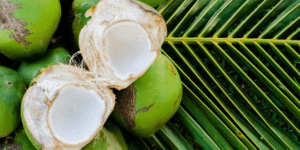
At its core, coconut has a light, gently sweet, and neutral flavor. It’s not sugary like mango, acidic like pineapple, or floral like lychee. Instead, coconut offers a quiet sweetness paired with a clean, almost mineral-like freshness.
Fresh coconut flavor is often described as:
- Mildly sweet
- Clean and refreshing
- Softly nutty (but not overpowering)
- Smooth rather than sharp
What coconut doesn’t taste like is just as important. Fresh coconut should never taste sour, bitter, acidic, or cloyingly sweet. Those flavors usually indicate age, processing, or added sugar.
Because coconut’s flavor is understated, it leaves room for texture and temperature to shape the experience — which is why coconut can feel crisp and refreshing in one moment and rich and comforting in another.
How Coconut Taste Changes by Freshness
Freshness has one of the biggest impacts on how coconut tastes. A coconut at peak freshness delivers a noticeably different experience than one that’s past its prime.
When coconut is fresh, the flavor feels bright, clean, and smooth. As it ages, that brightness fades and heavier or off-notes can begin to appear.
How Coconut Flavor Changes Over Time
| Freshness Level | Taste Profile | Aroma | Mouthfeel |
| Very fresh | Light, clean, mildly sweet | Neutral, subtle | Smooth, refreshing |
| Moderately fresh | Slightly muted | Faint coconut aroma | Less crisp |
| Past peak | Flat or dull | Sour or fermented | Sticky or unpleasant |
Fresh coconut water tastes crisp and lightly sweet, while older coconut water can taste flat or sour. Fresh coconut meat feels smooth and clean, while aging meat may become rubbery, dry, or bitter.
Because coconut is often consumed raw, these changes are easy to notice — and they dramatically affect enjoyment.
What Does Coconut Water Taste Like?
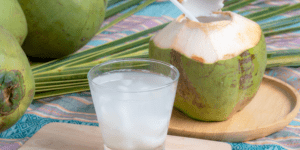
Coconut water has one of the cleanest flavor profiles of any natural beverage. When fresh, it tastes light, crisp, and subtly sweet, with a refreshing finish that feels hydrating rather than heavy.
Fresh coconut water is:
- Very lightly sweet
- Clean and neutral
- Not syrupy or sugary
- Refreshing rather than filling
Many people are surprised by how mild fresh coconut water tastes, especially if they’re used to bottled versions. Packaged coconut water is often processed, heated, or blended, which can intensify sweetness or introduce cooked flavors.
Fresh coconut water, by contrast, feels almost delicate. Its flavor is more about refreshment than richness, which is why it’s often associated with hydration and balance.
Temperature also plays a role. Chilled coconut water tastes crisper and more refreshing, while warmer coconut water can feel slightly fuller on the palate.
What Does Coconut Meat Taste Like?
Coconut meat offers a richer flavor experience than coconut water, but it still maintains coconut’s signature subtlety.
Young Coconut Meat
Young coconut meat is soft, translucent, and jelly-like. Its flavor is:
- Mildly sweet
- Clean and delicate
- Light rather than rich
The softness of young coconut meat makes it feel refreshing, and its gentle sweetness complements the water rather than overpowering it.
Mature Coconut Meat
As coconuts mature, the meat becomes firmer and thicker. Mature coconut meat tastes:
- Richer
- Slightly nuttier
- More filling
The flavor is still mild, but it carries more weight. Mature coconut meat also absorbs flavors well, which is why it’s commonly used in both sweet and savory dishes.
Texture plays a huge role here — firmer meat feels more substantial, which makes the flavor seem richer even though the sweetness remains restrained.
How Coconut Taste Changes in Different Forms
Coconut’s flavor shifts significantly depending on how it’s prepared or processed.
Coconut Taste by Form
| Coconut Form | Taste | Sweetness Level | Texture |
| Fresh coconut water | Clean, crisp | Very mild | Liquid |
| Young coconut meat | Delicate, lightly sweet | Mild | Jelly-soft |
| Mature coconut meat | Richer, nutty | Mild | Firm |
| Coconut milk | Creamy, rounded | Medium | Smooth |
| Dried coconut | Sweet, concentrated | High | Chewy or crisp |
Coconut milk and cream taste fuller and rounder because fat carries flavor. Dried coconut tastes sweeter because moisture has been removed, concentrating natural sugars — and often added sugar.
This is why many people associate coconut with sweetness even though fresh coconut itself is relatively mild.
The Role of Texture, Temperature, and Presentation in Coconut Taste
Coconut flavor is deeply tied to mouthfeel. Smooth textures make coconut feel creamy and comforting, while crisp textures make it feel refreshing and light.
Temperature matters too. Cold coconut water tastes sharper and more refreshing, while room-temperature coconut water feels softer. Chilled coconut meat feels firmer and cleaner, while warm coconut-based dishes feel richer.

Presentation also shapes perception. When coconut is served whole, freshly opened, or trimmed into clean formats like diamond-shaped coconuts, the visual clarity and freshness enhance the perceived flavor. The experience feels lighter, cleaner, and more intentional — which subtly elevates how the taste is received.
Why Coconut Pairs Well With So Many Flavors
Coconut’s mild, neutral base makes it incredibly versatile. It doesn’t dominate other flavors — it supports them.
Coconut pairs naturally with:
- Sweet flavors like fruit, vanilla, and chocolate
- Savory flavors like salt, herbs, and spices
- Acidic elements that add contrast
- Heat and spice, which coconut helps soften
This balance explains why coconut appears across cuisines, from tropical drinks to curries to desserts. Its flavor adapts rather than competes.
Conclusion — So, What Does Coconut Taste Like?
At its essence, coconut tastes clean, mild, and gently sweet, with a smooth texture and a refreshing finish. Its flavor is never overpowering — instead, it reveals itself through freshness, texture, and context.
Coconut water feels light and crisp. Coconut meat feels soft or rich depending on maturity. Processed forms become creamier, sweeter, or more intense. Together, these variations make coconut one of the most versatile and interesting fruits in the world.
When coconut is served at peak freshness and with thoughtful presentation — including moments where custom-branded coconuts are used to enhance visual identity or atmosphere — its subtle flavor becomes part of a larger sensory experience, blending taste, texture, and presentation into something memorable.
Understanding what coconut really tastes like helps set the right expectations — and makes each sip or bite that much more enjoyable.
FAQs — What Does Coconut Taste Like?
-
Is coconut sweet or savory?
Coconut is mildly sweet but neutral enough to work in savory dishes.
-
Why does coconut water taste different from coconut milk?
Coconut water is naturally occurring liquid; coconut milk is made from blended meat, which adds richness.
-
Does coconut taste like nuts?
Coconut has a gentle nuttiness, but it’s lighter and sweeter than most nuts.
-
Why does packaged coconut taste stronger than fresh coconut?
Processing and added sugars intensify coconut flavor.
-
Does coconut taste better cold?
Many people find coconut more refreshing when chilled.
-
What does spoiled coconut taste like?
Spoiled coconut tastes sour, bitter, or fermented.

