
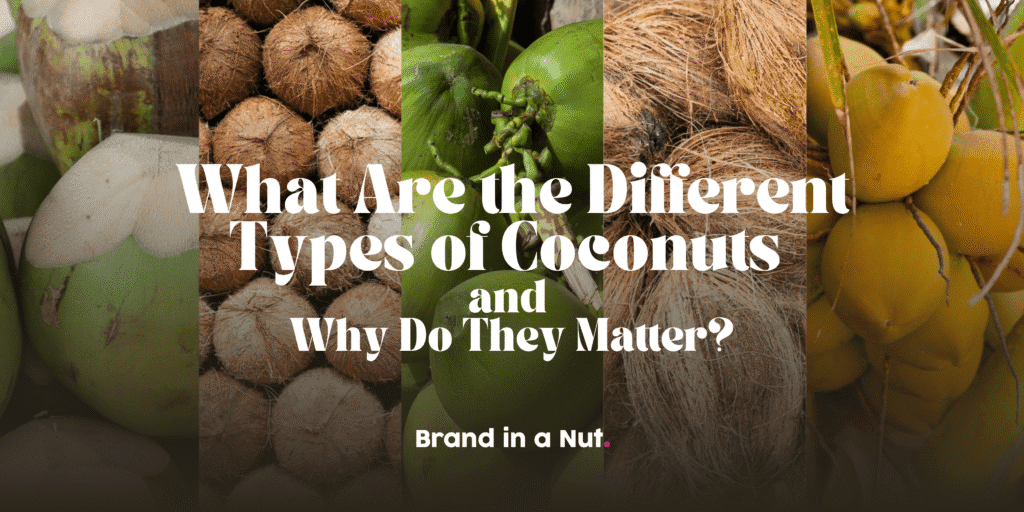
Coconuts are among the most remarkable gifts of the tropics – a fruit, a drink, and a raw material all in one. Found along the coastlines of Asia, Africa, and the Caribbean, coconuts thrive where sun, sand, and sea meet. Known scientifically as Cocos nucifera, this versatile fruit has sustained civilizations for centuries, offering nourishment, hydration, shelter, and trade. From the tender sweetness of young green coconuts to the rich oil extracted from mature brown ones, every stage of the coconut’s life cycle serves a purpose. It’s no surprise that many cultures call it the “Tree of Life,” reflecting its unmatched contribution to food, wellness, and livelihood.
Yet, not all coconuts are the same. Depending on their maturity, variety, and growing region, coconuts differ in taste, texture, and use. Some are prized for their refreshingly sweet water, while others are valued for their thick, oil-rich meat. In global cuisine, coconuts form the foundation of curries, desserts, and beverages. In the beauty and wellness industries, coconut oil and milk are celebrated for their natural benefits. Even in modern events and branding, coconuts have found new life as eco-friendly, tropical centerpieces. Understanding the types of coconuts helps us appreciate how this single fruit connects cultures, industries, and experiences across the world.
The Coconut’s Life Cycle: From Tender Green to Mature Brown
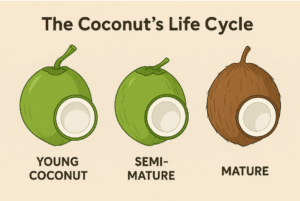
Every coconut undergoes a fascinating transformation throughout its life cycle, evolving in appearance, texture, and nutritional content. It all begins when the coconut flower, pollinated by wind or insects, develops into a small fruit enclosed in a thick green husk. Over the next several months, the fruit grows larger, and the liquid endosperm inside – what we call coconut water – begins to fill the cavity. This stage is known as the young or green coconut phase, where the fruit is tender, the husk is smooth, and the water inside is at its sweetest. These coconuts are often harvested between six to eight months after flowering, as their flavor and water content reach peak freshness.
As the coconut matures, the internal water gradually decreases while the soft jelly-like meat begins to thicken. This transformation marks the semi-mature stage, where both water and meat coexist in balanced proportions. By the time the coconut reaches full maturity – usually after eleven to thirteen months – the husk turns brown and fibrous, and the meat becomes dense, rich, and oily. At this stage, the coconut contains less water but offers more fat and fiber, making it ideal for producing coconut oil, milk, and flour.
The maturity of a coconut greatly determines its nutritional composition and commercial use. Young coconuts are known for their hydrating, electrolyte-rich water, while mature ones provide healthy fats and essential nutrients. The sweetness of the water also declines as the fruit ages, while the meat becomes thicker and firmer. In essence, every phase of the coconut’s life serves a unique role – from refreshing natural beverage to a source of nourishment and industry. Understanding this cycle helps us value why farmers harvest coconuts at specific stages, ensuring that each fruit serves its perfect purpose – whether for sipping, cooking, or creating everyday coconut-based products.
Main Types of Coconuts by Origin: How Geography Shapes Taste, Texture, and Purpose
Coconuts may share the same tropical charm, but their flavor, texture, and use vary depending on where they grow. Climate, soil quality, and cultivation methods influence everything from water sweetness to shell thickness. This is why coconuts from Thailand taste different from those grown in Sri Lanka or India. Some varieties are better suited for drinking, while others are ideal for producing coconut oil or milk. Understanding these distinctions helps both consumers and businesses choose the right coconut for their needs – whether for culinary use, industrial production, or event presentation.
From the soft, fragrant young coconuts of Southeast Asia to the rich, mature ones of South Asia and the Caribbean, every region adds its own signature to this remarkable fruit. Let’s explore some of the most well-known coconut varieties across the world and understand what makes each one unique.
1. Thai Young Coconuts: The Jewel of Tropical Refreshment
Thailand’s young coconuts are among the most prized in the world for their purity, sweetness, and elegant presentation. Commonly known as Nam Hom coconuts, they are cultivated in fertile regions like Ratchaburi and Samut Sakhon, where the soil and humidity create ideal growing conditions. These coconuts are usually harvested while still young – around six to seven months old – when the water is naturally sweet, aromatic, and filled with electrolytes.
Visually, Thai young coconuts are easy to recognize. They are diamond-cut or dome-shaped, with a smooth white husk and uniform size. Their high water content and subtle floral aroma make them perfect for refreshing beverages. The thin, jelly-like meat inside adds a mild sweetness that enhances smoothies, juices, and desserts. Because of their clean, sophisticated appearance, they are highly popular in hospitality, spas, and high-end events, where presentation matters as much as taste.
Beyond their taste, Thai coconuts represent craftsmanship and luxury. Many are custom-branded for premium experiences, with engraved logos or designs that turn each coconut into a statement piece. This combination of natural flavor, purity, and visual appeal makes Thai young coconuts a top choice for both health-conscious consumers and event planners looking to offer a memorable tropical experience.
2. Sri Lankan Coconuts: Bold Flavor and Culinary Strength
Sri Lankan coconuts, particularly the King Coconut variety (Cocos nucifera var. aurantiaca), are famous for their rounder shape and bright orange husk. These coconuts are harvested slightly more mature than Thai varieties, giving them richer, more mineral-tasting water. The King Coconut’s water is less sweet but more robust, making it a favorite among locals for both drinking and traditional remedies.
What truly sets Sri Lankan coconuts apart is their dense, flavorful meat. The mature kernel is thick, slightly oily, and ideal for making coconut milk – a key ingredient in Sri Lankan curries, desserts, and sweets. The country’s thriving coconut industry also produces coconut oil, desiccated coconut, and coir fiber, supporting thousands of small farmers and factories.
Because of their hard shells and high oil yield, Sri Lankan coconuts are preferred for industrial and culinary use. They are also a symbol of daily life – used in rituals, religious offerings, and family meals. Whether used in temple ceremonies or simmered in aromatic curries, Sri Lankan coconuts embody both tradition and versatility.
3. Indian Coconuts: The Heart of Culture and Commerce
In India, coconuts are more than a fruit – they are a cultural symbol of purity, prosperity, and life. Found across coastal states like Kerala, Tamil Nadu, and Karnataka, Indian coconuts have a thick brown shell and rich, oily white meat. They are typically harvested when mature, making them perfect for oil extraction and cooking.
Indian coconuts have a strong, earthy flavor and a dense meat that yields high-quality coconut oil and desiccated coconut. The oil is used in both culinary and personal care products, while grated coconut and coconut milk are staples in Indian cuisine. From coconut chutneys in the south to creamy curries in the west, the fruit is integral to the Indian diet.
Culturally, coconuts hold deep spiritual meaning. They are broken in temples during prayers and ceremonies as symbols of offering and renewal. Farmers and businesses rely heavily on coconut-based products for both local consumption and export. In short, Indian coconuts are not just a commodity – they are a cornerstone of both economy and faith.
4. Costa Rican Coconuts: Balance, Beauty, and Export Quality
Costa Rican coconuts are renowned for their balanced sweetness and smooth, clean shells. The country’s tropical climate and coastal soils produce coconuts that are medium in size, making them ideal for transport and large-scale export. These coconuts are often used in tropical-themed events, resorts, and beverage companies that value both taste and appearance.
Unlike some Asian varieties, Costa Rican coconuts are slightly less sweet but offer a refreshing flavor with consistent quality. Their sturdy shell and attractive appearance make them visually appealing for hospitality and tourism industries. Many beverage brands source coconuts from Costa Rica for bottling natural coconut water because of their uniform flavor and long shelf life.
Additionally, the country’s sustainable farming practices and commitment to eco-friendly harvesting methods make its coconuts a responsible choice for global buyers. Costa Rican coconuts strike the perfect balance between function and aesthetics – fresh enough for drinking and durable enough for global shipment.
5. Pacific and Caribbean Varieties: Resilient, Tropical, and Flavorful
The Pacific and Caribbean islands produce a wide range of hybrid coconuts, each adapted to their coastal environments. These coconuts are a blend of dwarf and tall varieties, allowing them to resist storms, saltwater, and shifting climates. They grow abundantly in nations like Fiji, Jamaica, and the Dominican Republic, where coconuts are not only a food source but also a cultural staple.
Pacific and Caribbean coconuts tend to have a mildly sweet water and semi-mature meat – soft enough for eating but thick enough for processing. They are often served fresh at beach resorts, island festivals, and tropical bars, offering guests a taste of paradise in every sip. Because of their natural resilience and versatility, these coconuts are also favored by beverage companies that focus on sourcing sustainable, hardy varieties.
In many Caribbean cultures, coconuts symbolize hospitality and celebration. Whether used in rum cocktails, coconut desserts, or traditional dishes, they capture the spirit of island living. The hybrids’ ability to thrive under diverse conditions ensures that the coconut legacy continues – from the sandy shores of Fiji to the lively beaches of Jamaica.
Types of Coconuts by Maturity: Understanding How Time Changes Taste and Texture
The maturity of a coconut determines nearly everything about it – from its flavor and texture to its use and nutritional value. As coconuts grow, they pass through distinct stages, each offering a different balance of water and meat. Farmers harvest them at specific points in their development, depending on whether the goal is to produce drinking coconuts, coconut oil, or other products. Understanding these stages helps you appreciate why a young green coconut tastes light and refreshing, while a mature brown one is dense and rich. Let’s look at how coconuts evolve through their three main stages of maturity and what makes each unique.
1. Green (Young) Coconuts: Nature’s Perfect Drink
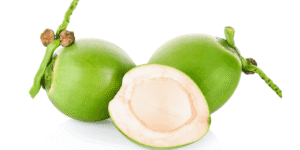
Young green coconuts represent the earliest and most refreshing stage of the coconut’s life. Typically harvested between six and eight months after flowering, these coconuts have a soft, smooth outer shell and a vibrant green husk. Inside, they contain crystal-clear water that is naturally sweet, hydrating, and packed with electrolytes like potassium, calcium, and magnesium. Because of this composition, young coconuts are often considered one of nature’s most effective hydration sources.
The meat inside a young coconut is thin, jelly-like, and easy to scoop. It adds a subtle creaminess to desserts, smoothies, and tropical beverages. The flavor is mild, with just the right hint of sweetness, making it ideal for those who enjoy light, refreshing drinks. Beyond its taste, coconut water is low in calories, making it a healthy alternative to sugary beverages.
In tropical countries, young coconuts are sold fresh at roadside stalls and beach resorts, served with a straw straight from the shell. Their water is not just delicious – it’s naturally sterile when unopened, making it safe for direct consumption. Whether enjoyed for its hydration benefits or served as a tropical treat at events, the green coconut is a perfect example of how simple freshness can become pure luxury.
2. Semi-Mature Coconuts: The Best of Both Worlds
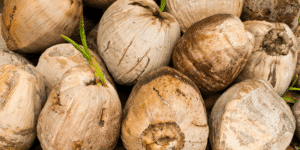
Semi-mature coconuts are the bridge between the tender youth of green coconuts and the firmness of fully mature ones. Harvested between eight and ten months, they begin to show light brown tones on the husk as the inner shell thickens slightly. Inside, the coconut water is still present but in smaller amounts than in young coconuts, and the meat starts to become thicker, firmer, and more opaque.
This stage offers a delightful balance: the water remains drinkable, though less sweet, while the soft, jelly-like meat has more texture. It’s perfect for those who love both refreshing coconut water and spoonable coconut flesh. In many tropical households, semi-mature coconuts are prized for homemade desserts, fruit salads, and light curries. They also serve well in smoothie bowls or blended drinks where both meat and water are used together.
Semi-mature coconuts also mark the start of the coconut’s oil development process. As the fruit ages, the fat content in the meat increases, paving the way for extraction in the mature phase. This middle stage is a turning point in both taste and function – where sweetness begins to fade but nutritional richness starts to rise. For many, it’s the most versatile stage because it provides a little of everything nature has to offer.
3. Mature (Brown) Coconuts: The Source of Strength and Richness
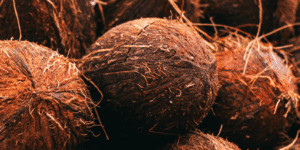
Mature brown coconuts represent the final and most developed stage of the coconut’s life cycle. Harvested between eleven and thirteen months, these coconuts have a rough, fibrous husk that turns dark brown as they fully ripen. Inside, the shell hardens significantly, and the meat becomes thick, dense, and rich in oil. The water, now minimal, loses its sweetness and becomes more mineral in taste.
What makes mature coconuts special is their nutritional density. The meat contains healthy fats, dietary fiber, and essential minerals like manganese and iron. These coconuts are the foundation for many commercial products, including coconut milk, coconut oil, desiccated coconut, and coconut flakes. The extracted oil is used widely in cooking, skincare, and natural medicine, while the grated meat is a staple in curries, baked goods, and tropical desserts.
Because of their durability and long shelf life, mature coconuts are also easier to transport and store. Farmers often dry the meat into copra, which is later pressed to produce oil. Even the husks and shells are valuable – used to make coir ropes, mats, bowls, and activated charcoal. Mature coconuts symbolize the coconut’s full potential, transforming from a source of refreshment into a powerhouse of nourishment and industry.
Specialty Coconut Uses Across Industries: From Kitchens to Catwalks and Beyond
The coconut is far more than a tropical fruit-it’s a global industry that connects agriculture, wellness, beauty, and even event marketing. Every part of the coconut, from its sweet water to its fibrous husk, serves a purpose across different sectors. This versatility makes it one of nature’s most sustainable resources. What began as a household ingredient in island communities has now become an international symbol of purity, nourishment, and eco-friendly innovation.
Coconut-based products are now found everywhere-from high-end skincare lines to luxury resorts and eco-conscious events. As global demand for natural, plant-based solutions grows, the coconut continues to prove its adaptability and relevance in both traditional and modern industries. Let’s explore how coconuts shape different sectors and why they remain an irreplaceable part of sustainable living.
Food and Beverage: The Foundation of Tropical Nutrition
In the food and beverage industry, coconuts are a cornerstone ingredient known for both flavor and nutrition. Coconut water, extracted from young green coconuts, is celebrated as a natural electrolyte drink. It’s rich in potassium, calcium, and antioxidants, making it a popular alternative to artificial sports beverages. Its mild sweetness and refreshing taste have turned it into a global wellness trend, enjoyed by athletes, health enthusiasts, and tropical travelers alike.
Meanwhile, coconut milk and cream, derived from the grated meat of mature coconuts, play a vital role in culinary traditions around the world. In Southeast Asia, they add richness to curries, soups, and desserts. In the Caribbean and Pacific Islands, coconut milk forms the base of beloved cultural dishes. Coconut oil, pressed from dried coconut meat (copra), has become a versatile cooking medium-known for its high smoke point and mild flavor. It’s also valued for its shelf stability, making it a favorite among chefs and bakers.
Beyond cooking, coconut sugar has gained traction as a healthier sweetener option. Made from the sap of the coconut flower, it offers a lower glycemic index compared to refined sugar and adds a subtle caramel flavor. Each of these coconut derivatives contributes to a global movement toward cleaner, more natural eating. Together, they demonstrate how one fruit can cater to countless tastes and nutritional needs while maintaining its authentic tropical charm.
Health and Beauty: Nature’s Secret Ingredient
In the health and beauty industry, coconuts have achieved near-miracle status. Coconut oil, in particular, is treasured for its moisturizing, antimicrobial, and anti-inflammatory properties. It’s used in skincare products to hydrate dry skin, in hair care to repair damage, and in natural remedies to soothe irritation. Its rich content of medium-chain fatty acids helps protect and nourish the skin barrier, making it a go-to ingredient for clean beauty brands.
Coconut milk and water are also incorporated into wellness routines and cosmetic formulas. Coconut water’s hydrating minerals make it ideal for facial mists and toners, while coconut milk adds richness to soaps and lotions. Even the husk and shell contribute to beauty innovations-activated coconut charcoal is now a common ingredient in detox masks and whitening toothpaste.
The popularity of coconut-based products reflects a growing shift toward sustainable, plant-derived skincare and wellness solutions. Consumers are increasingly drawn to ingredients that are both effective and eco-friendly. In this sense, coconuts serve as a bridge between natural tradition and modern science-offering beauty that begins in nature and ends in self-care.
Events and Branding: Turning Nature into an Experience
In the modern event and branding space, coconuts have evolved from a simple refreshment to a symbol of sustainable luxury. Their clean, organic aesthetic and functional versatility make them a favorite choice for eco-conscious hospitality and event design. Instead of serving drinks in plastic cups, event planners now use coconuts as a natural and biodegradable alternative. The husk keeps beverages cool while reducing waste, aligning perfectly with green event standards.

Many luxury hotels, beach festivals, and corporate activations use branded coconuts as part of their guest experience. Each coconut can be engraved or stamped with a logo, turning an ordinary drink into a shareable, Instagram-worthy moment. These personalized coconuts not only promote sustainability but also enhance brand visibility in a creative and organic way. Companies like Coconut Stock have perfected this concept by offering custom-branded coconuts that blend tropical freshness with modern marketing appeal.
Coconuts also help elevate the ambiance of events by bringing natural texture and authenticity to decor. From wedding welcome drinks to resort poolside bars, they represent the perfect mix of function and elegance. As sustainability and experiential marketing continue to shape modern hospitality, the humble coconut has emerged as both a conversation piece and a conscious choice-proving that true luxury lies in simplicity and sustainability.
How to Choose the Right Type of Coconut for Your Purpose: Finding the Perfect Fit for Every Need
Choosing the right type of coconut depends entirely on how you plan to use it. Not all coconuts serve the same purpose – some are best for drinking, others for cooking, and a few for presentation and branding. Each type offers a unique balance of sweetness, texture, and nutritional value, which makes understanding their characteristics essential. Whether you are a chef crafting traditional dishes, an event planner looking for a visual centerpiece, or a health enthusiast seeking natural hydration, knowing which coconut to select ensures you get the best experience from this tropical treasure.
When selecting coconuts, it’s important to consider their maturity, origin, and intended use. Young coconuts are prized for their high water content and light flavor, while mature ones are valued for their thick, oil-rich meat. Some coconuts are also grown and shaped specifically for presentation, with smooth, uniform surfaces ideal for engraving or branding. Let’s explore which types of coconuts best fit your specific goals and why making the right choice matters.
For Hydration: Choose Young Thai or Costa Rican Coconuts
If your goal is hydration, young green coconuts – especially from Thailand and Costa Rica – are your best choice. These coconuts contain crystal-clear water that is naturally sweet, light, and packed with essential electrolytes like potassium, calcium, and magnesium. The Thai Nam Hom coconut is particularly famous for its delicate floral aroma and pure taste. They are often enjoyed chilled and served fresh at spas, resorts, and wellness retreats.
Young coconuts are harvested earlier, usually between six and eight months, when their water content is at its peak. This early harvest preserves their mild flavor and refreshing profile. In addition, their tender, jelly-like meat adds a subtle creaminess that makes them ideal for smoothies, shakes, and tropical desserts. Costa Rican coconuts, meanwhile, provide a slightly less sweet but consistently balanced flavor, making them a reliable choice for bottled coconut water and large-scale beverage production.
Because of their purity and high hydration value, young coconuts are the preferred choice for athletes, travelers, and health-conscious consumers. They are also perfect for anyone seeking a natural, low-calorie drink alternative that nourishes and revitalizes. In short, for pure tropical refreshment, no coconut compares to the crisp, cooling taste of a young Thai or Costa Rican coconut.
For Cooking: Choose Mature Indian or Sri Lankan Coconuts
For culinary use, mature brown coconuts from India and Sri Lanka are unmatched in flavor and versatility. These coconuts develop a thick, dense layer of meat rich in oils, healthy fats, and fiber. Their water content decreases as they ripen, but their flesh becomes firmer and more flavorful – perfect for cooking, grating, or oil extraction. The natural richness of mature coconut meat enhances both sweet and savory dishes across cultures.
In India, mature coconuts are used daily in traditional dishes such as curries, stews, and sweets. Grated coconut adds texture to chutneys, while coconut milk and oil form the base of countless recipes. Similarly, in Sri Lanka, coconut milk is an essential ingredient in local cuisine, adding depth and creaminess to curries and sauces. The King Coconut, unique to Sri Lanka, is also used for its mildly flavored water, but its mature counterpart provides robust meat ideal for milk extraction and oil production.
These coconuts also have a longer shelf life, making them convenient for both domestic and commercial kitchens. Their oil-rich meat can be dried into copra, pressed into virgin coconut oil, or processed into desiccated coconut and flour. Whether you are a home cook or a professional chef, mature coconuts from India and Sri Lanka deliver unmatched flavor, nutrition, and culinary flexibility.
For Branding and Events: Choose Uniform, Diamond-Cut Young Coconuts
When presentation and aesthetics matter, diamond-cut young coconuts are the top choice. These coconuts, often sourced from Thailand or Costa Rica, are carefully trimmed into symmetrical shapes with smooth white husks that look clean and elegant. Their natural beauty makes them a favorite at weddings, corporate events, and tropical-themed parties.
Diamond-cut coconuts not only look stunning but also serve a functional purpose. They are lightweight, easy to handle, and filled with sweet, hydrating coconut water that guests can enjoy directly. Their smooth exterior also makes them ideal for custom branding and engraving, allowing logos, names, or event details to be added with precision. This turns a simple coconut into a memorable keepsake or promotional item.
Many luxury resorts and event planners use branded coconuts to replace plastic bottles and cups, embracing a more sustainable and stylish alternative. Companies like Coconut Stock have elevated this concept, offering custom-branded coconuts that blend freshness with visual appeal. These personalized coconuts create an unforgettable impression while promoting eco-friendly values – a perfect combination for modern brands and experiences.
Conclusion: The Coconut’s Endless Possibilities
From the lush shores of Thailand to the vibrant coasts of the Caribbean, coconuts continue to prove why they are among the world’s most remarkable fruits. Their diversity is unmatched – offering sweet water, rich meat, nourishing oil, and sustainable materials that serve countless industries. Whether enjoyed as a refreshing drink, used in skincare, or transformed into cooking oil, coconuts provide both nourishment and inspiration. They sustain communities, support economies, and bridge cultures across continents. More than a tropical delicacy, the coconut represents balance – between tradition and innovation, simplicity and sophistication, and nature and modern living.
As the world embraces sustainability and natural solutions, coconuts stand out as a symbol of endless possibility. They remind us that true luxury often comes from the earth itself. From eco-friendly packaging to health-conscious beverages, the coconut’s versatility continues to shape new trends. Modern innovations demonstrate how nature and creativity can come together to create memorable experiences. The coconut is no longer just a fruit; it is a story of sustainability, craftsmanship, and connection – one that continues to evolve beautifully with time.
FAQs about Types of Coconuts
-
How many types of coconuts are there?
There are mainly two types of coconuts – tall and dwarf varieties. Each type has different sizes, flavors, and maturity times, often adapted to their growing region.
-
Why are there two types of coconuts?
Coconuts are classified into tall and dwarf varieties due to natural genetic differences. Tall coconuts grow higher, live longer, and produce larger fruits, while dwarf coconuts are smaller, fruit earlier, and are often sweeter.
-
What is the difference between green coconuts and brown coconuts?
Green coconuts are young, filled with sweet water and soft jelly-like meat. Brown coconuts are mature, with less water but thick, oil-rich meat used for milk and oil production.
-
Which coconut variety is best?
It depends on your purpose. Thai young coconuts are best for drinking, Indian and Sri Lankan coconuts are best for cooking, and diamond-cut young coconuts are ideal for events and branding.

